What was found in food that was sold to Puerto Rico schools for the 2nd time in a week?
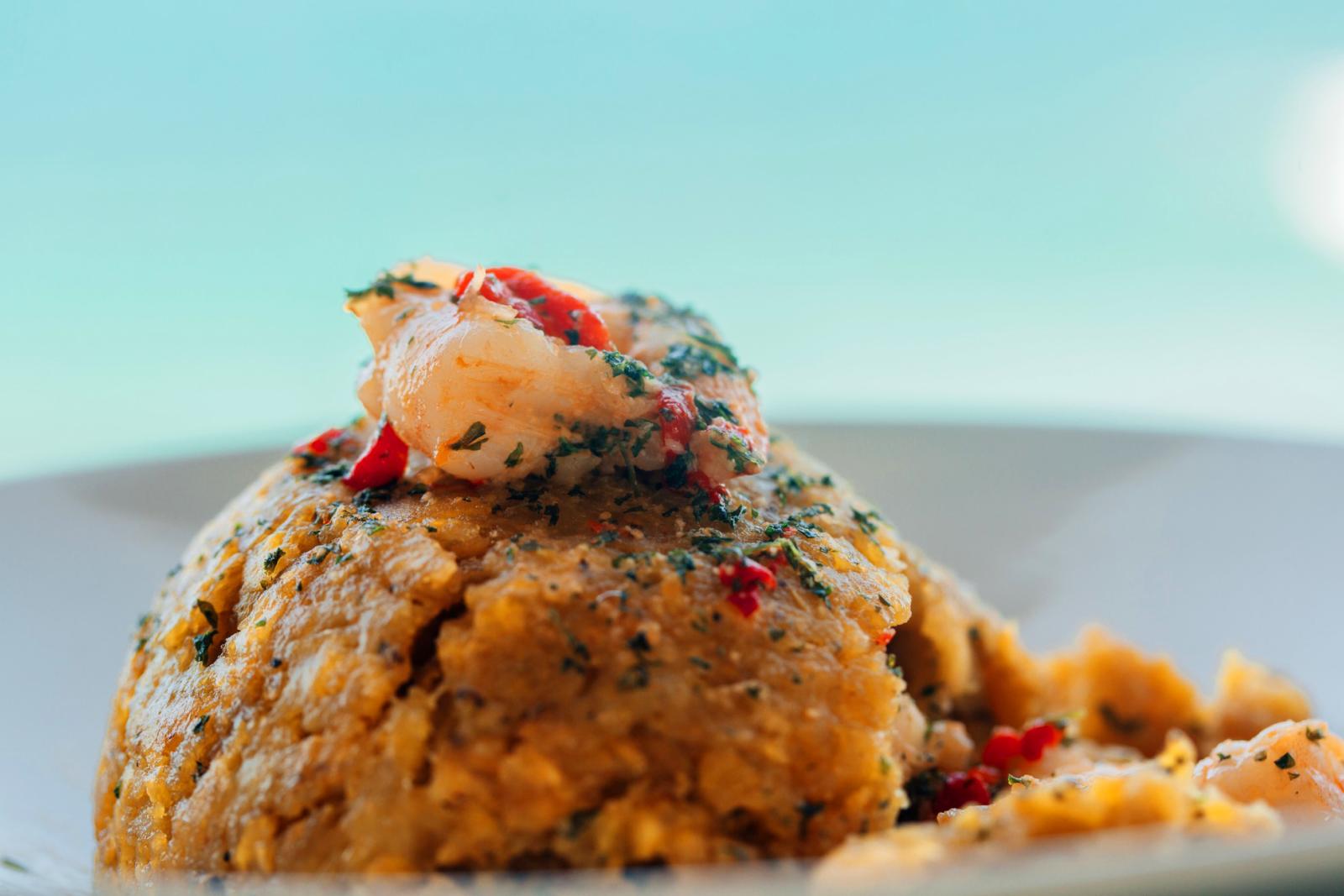
Mofongo is a staple Puerto Rican dish that pairs well with everything!
Guide to Traditional Puerto Rican Food
Heaping portions of crispy, garlicky, fried plantains; irksome-roasted, succulent pork; savory rice and beans chased with a cold local beer or fruity rum cocktail, and that's but your first meal.
Having the opportunity to enjoy authentic Puerto Rican nutrient is a highlight of many visitors' experiences. The vibrancy of Puerto Rican civilization comes live in its dishes, a celebration of flavors that visitors have the opportunity to indulge in. Some of the favorites aremofongo,tostones,pasteles,arroz con gandules,tembleque, andcoquito.
Here is a guide to some of the dishes that you shouldn't miss out on:
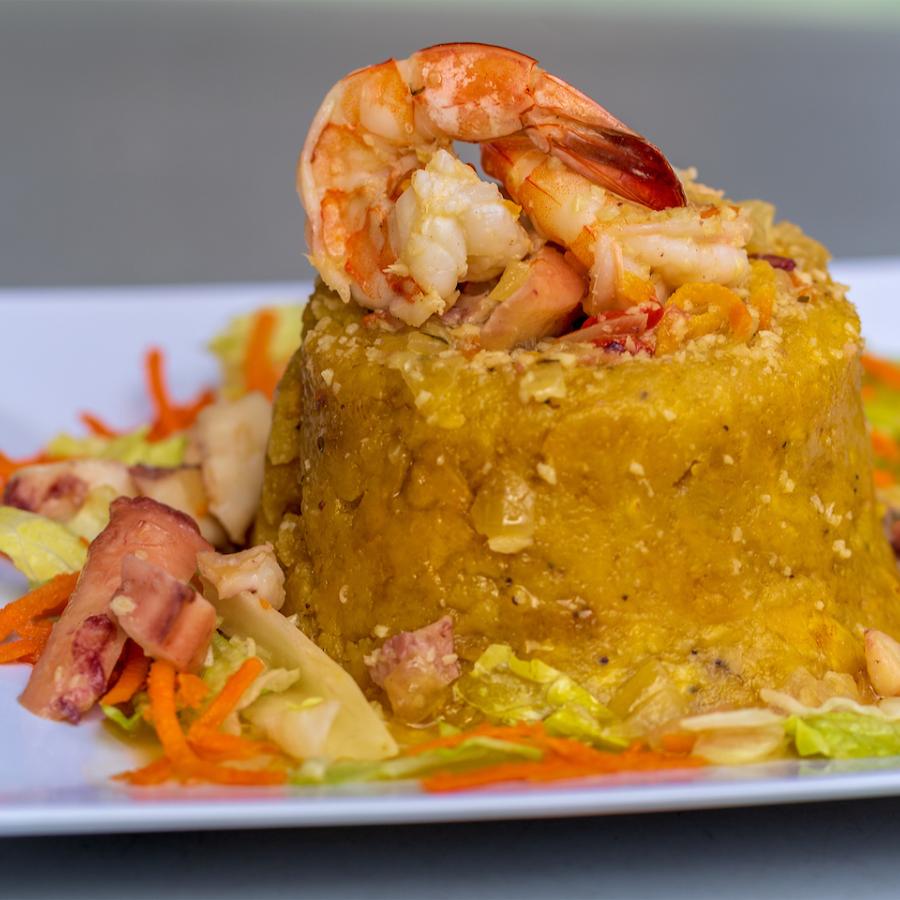
Mofongo
Puerto Rican condolement food at its finest...
Mofongo is traditionally made from deep-fried green plantain pieces mashed with garlic and either table salt-cured pork, pork crackling, butter, or oil. Some recipes utilise a salty broth to soften the plantains while mashing.
Mofongo can be served as a side dish or blimp with any meat, such equally stewed chicken, crab meat, octopus, skirt steak, fried pork, seafood, or stewed vegetables. Other variations ofmofongo include yucamofongo and trifongo, made with green plantain, sweet plantain, and yuca.
Puerto Rico'southward Top Chefs Share their Recipes
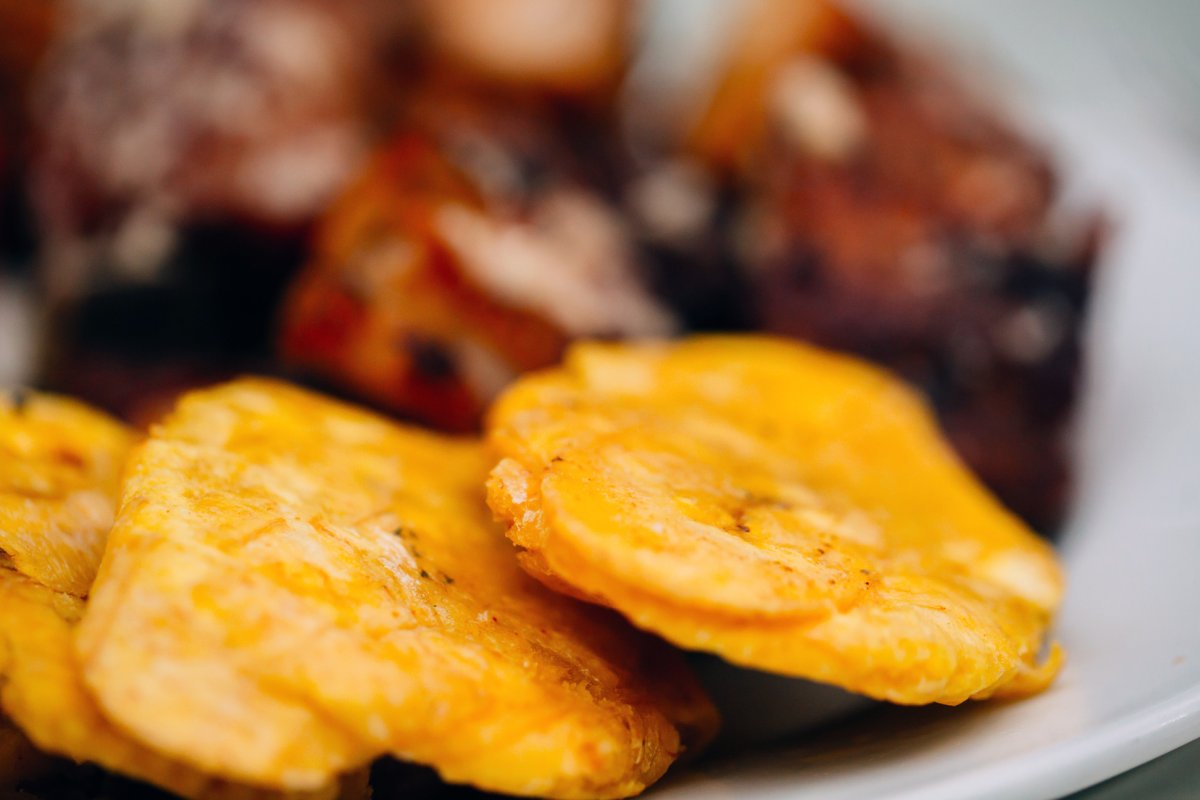
Plantains tin can be sugariness or savory, depending on the ripness.
Tostones and amarillos
These are two traditional ways to prepare plantains.Tostonesare made from green plantain, which is savory. The plantain is cut into thick wheels marinated in water and garlic, and so deep-fried in oil to soften, smashed, and deep-fried once again until crispy.Amarillos,on the other paw, are ripe plantains cut into pieces and fried until the outside is virtually blackened, and the inside is soft and sweet.
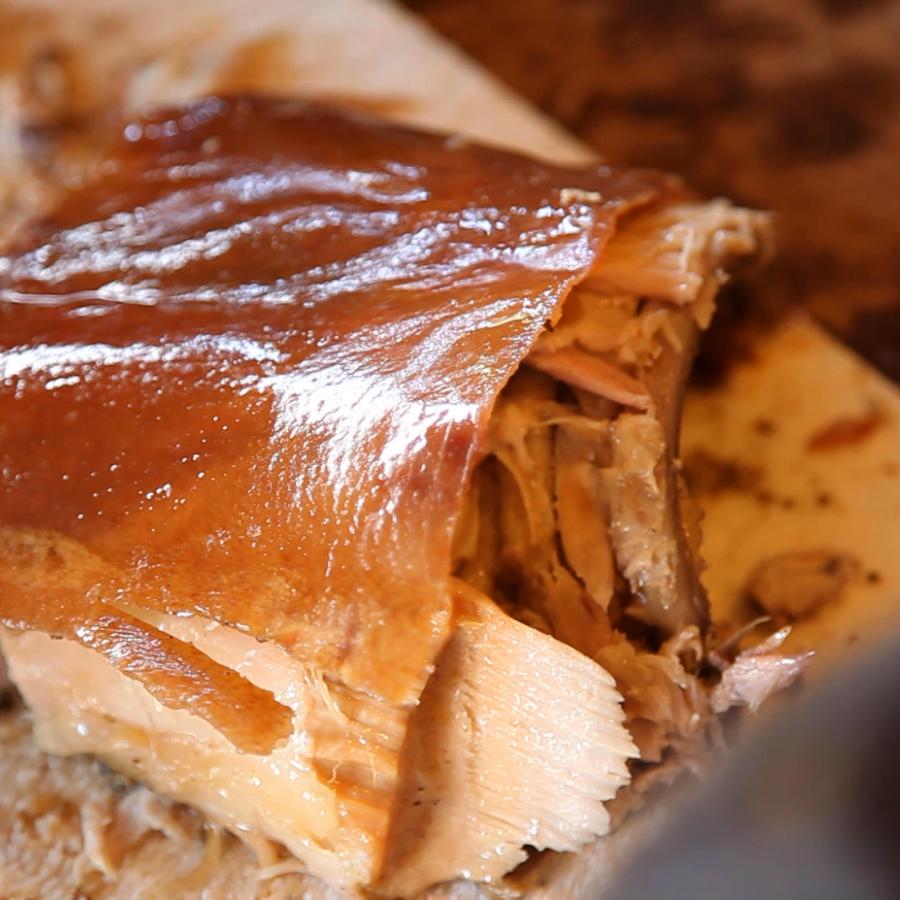
Lechón asado
A Puerto Rican culinary legacy! To prepare this delicacy, first, a whole pig (lechón) is marinated inadobo (a mix of garlic, oregano, black pepper, vinegar, and h2o) and so slowly roasted over coals for several hours until the meat is juicy and the skin crispy. To sample some of the bestlechón in Puerto Rico, plan a 24-hour interval trip to Guavate, where the route headed upward the mountains of Cayey is lined withlechoneras(pork restaurants) serving locally sourced pork. Another specialty pork dish ispernil, or pork shoulder, seasoned with adobo, and roasted in the oven.
A Guide to Guavate and la Ruta del Lechón
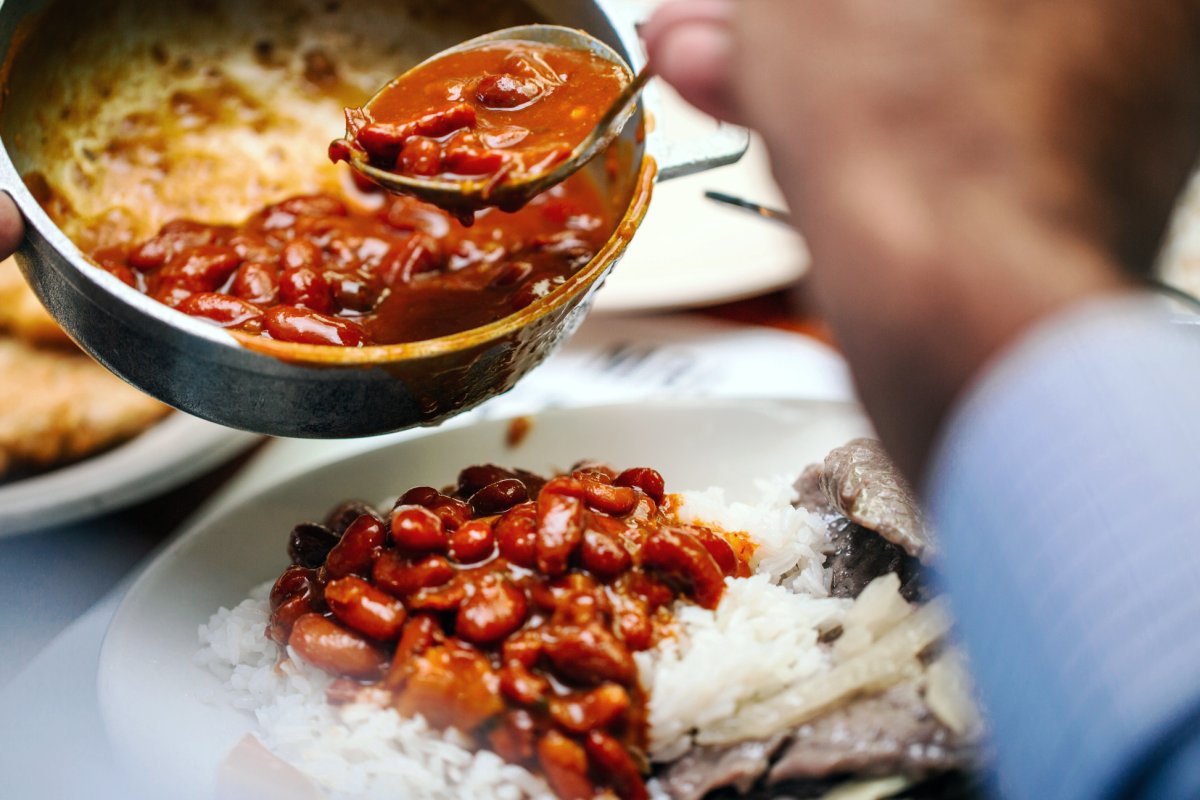
Arroz y habicuelas are the staple side dish in Puerto Rico.
Arroz y habichuelas
Rice and beans are the quintessential Puerto Rican side dish. Pinkish beans are stewed with onions, peppers, garlic, ham hock, calabaza squash, andsofrito — a cooking base of operations made past blending onion, garlic, peppers, culantro, cilantro, and oregano (as well as other herbs, spices, and aromatics depending on the family recipe).
White, medium-grain rice is cooked separately from the beans and seasoned with olive oil and salt. The two are served side by side to each other so you can choose how much beans to add to the rice.
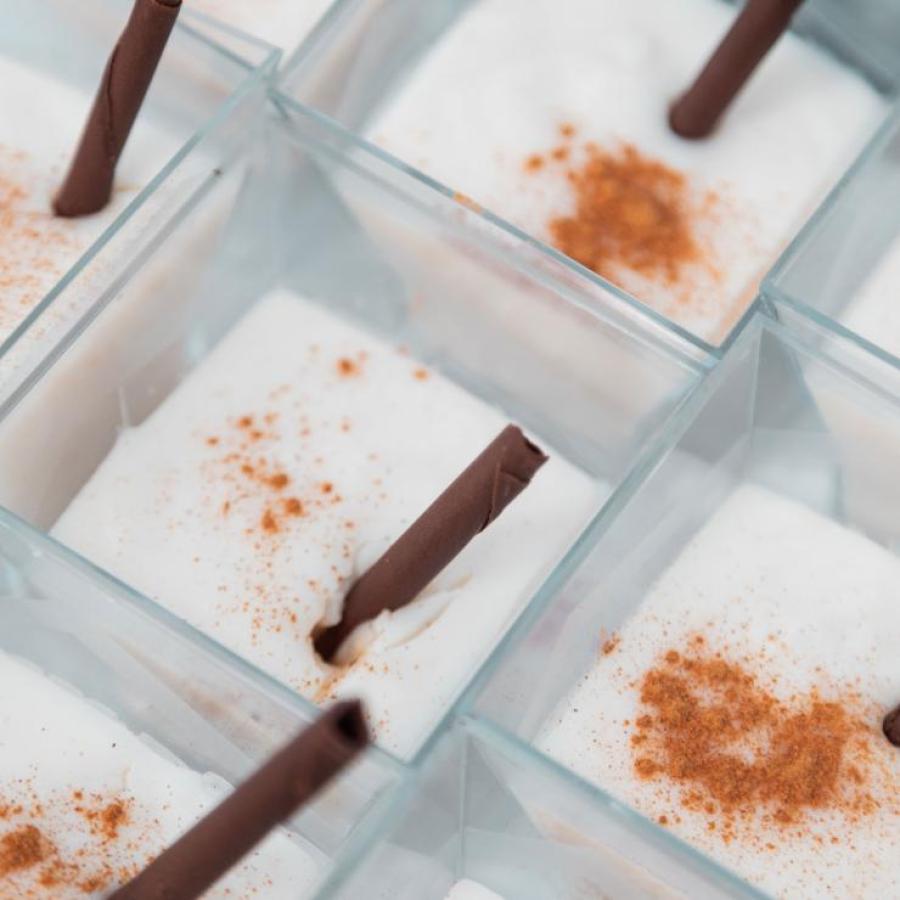
Tembleque is a favorite Puerto Rican dessert.
Desserts
The best office of the meal! Traditional seasonal desserts include tembleque, a silky coconut custard; andarroz con dulce, rice pudding with cinnamon and raisins. Other traditional desserts includeflan, a vanilla custard cake; andcasquitos de guayaba, guava paste paired with local white cheese.
In that location is also a version of eggnog chosencoquito, which is made with evaporated milk, condensed milk, kokosnoot milk, cinnamon, and white rum. There are also flavored versions ofcoquito, including chocolate, pistachio, and guava.
Guide to Puerto Rican Pastries
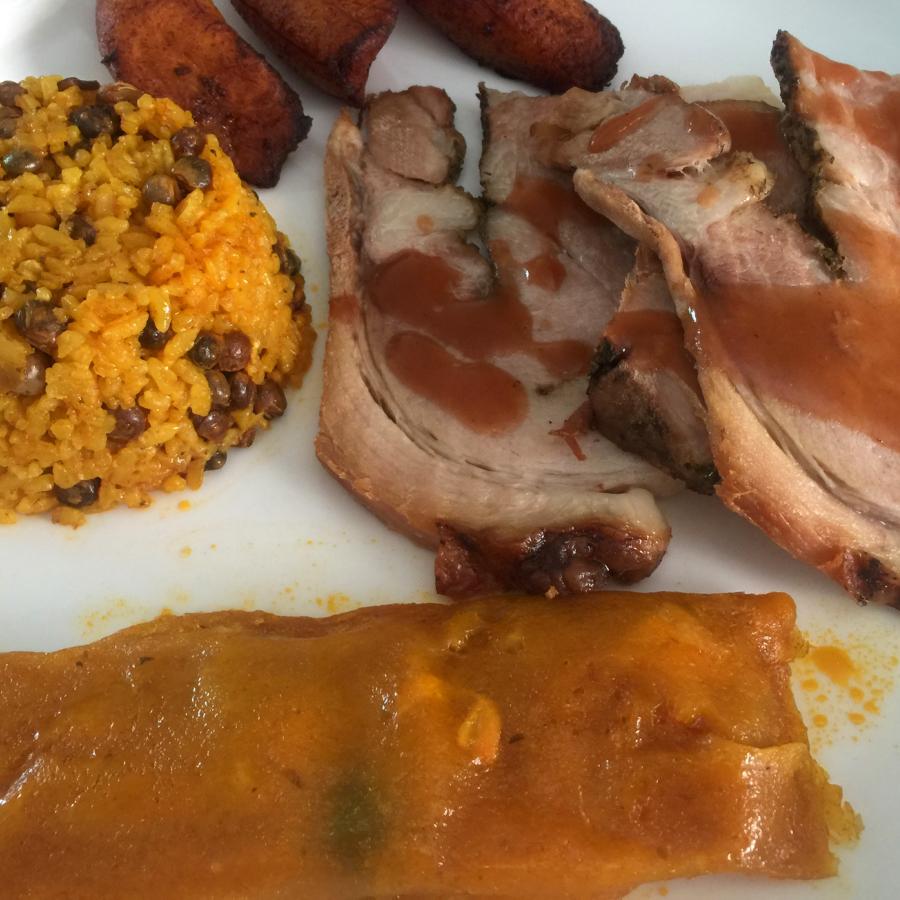
Pasteles
A true local specialty, pasteles resemble tamales and are traditionally made with green bananamasa stuffed with stewed pork meat. Sometimes yuca or other root vegetables are added; themasa can besides exist made with just yuca.Pastelescan also be stuffed with chicken orbacalao (salted cod), and some vegan versions have been introduced recently.
To class thepastel,masa is pressed onto a plantain foliage, the stuffing added in the center, and the plantain leaf is folded, tied with string and covered in parchment paper. Thepasteles are then boiled, unwrapped, and served.
Arroz con gandules
Considered aboricua staple, this signature Puerto Rican rice dish is consumed year-round. Dove peas, organdules, are small, dense legumes cooked with the rice in a large pot. First, salted pork or ham hock is sautéed in olive oil.Sofrito is so added, along with bay leaves, tomato paste, annatto, and frequently olives or capers. The rice and dove peas are then coated with this sauce, water or broth is added, and everything is cooked together until the rice is done.
Virtual Cooking and Mixology
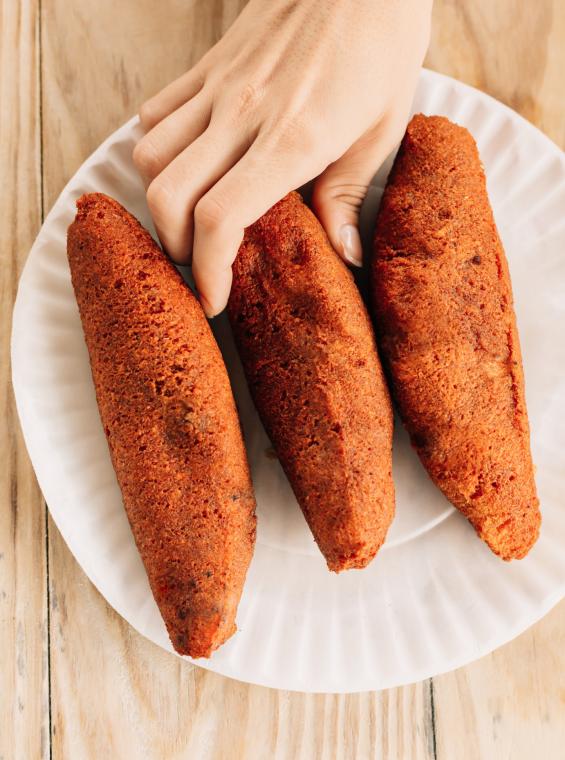
Frituras
Deep-fried treats commonly establish in open-air, beachside restaurants that pair beautifully with a cold beer. These are commonly stuffed with footing beef, crab meat, craven, fish, octopus, conch, or other seafood types. There are a variety of different fritters y'all will discover in Puerto Rico.
In Puerto Rico, our fried snacks– or fritters– are well known all over the island. Go a taste of some of our favorites, like the cod-flavored bacalaítos and meat-stuffed alcapurrias, and other crunchy snacks that makeup Puerto Rico'due south culinary culture.
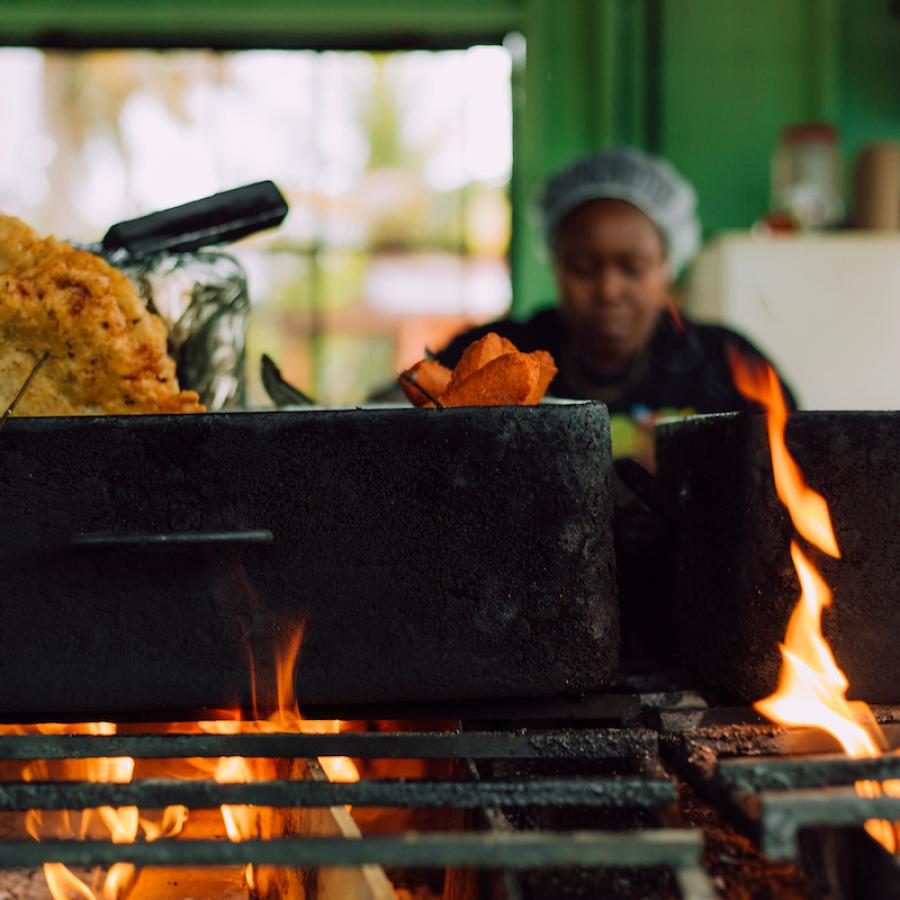
Here are a few of the mutual types of frituras you might taste during your visit:
Alcapurrias are torpedo-shaped fritters fabricated from shredded root vegetables like yuca andyautía, stuffed with a choice of meat. These deep-fried snacks are normally found in open-air, beachside restaurants that pair beautifully with a cold beer. Alcapurriasare usually blimp with ground beefiness, crab meat, craven, fish, octopus, conch, or other types of seafood.
Empanadillas are a larger version of pastelillos, also stuffed with a choice of meat and fried. At that place's too a popular pizza version filled with melted mozzarella cheese and marinara sauce.
Arepas are flour-based, sometimes made with kokosnoot for a slightly sweet season, fried then stuffed, commonly with seafood. Locals ofttimes eat them by themselves as appetizers.
Bacalaítos are a elementary batter of flour and water with chunks of salted cod and parsley, deep-fried into what expect like behemothic corn flakes.
Bring a piece of Puerto Rico home
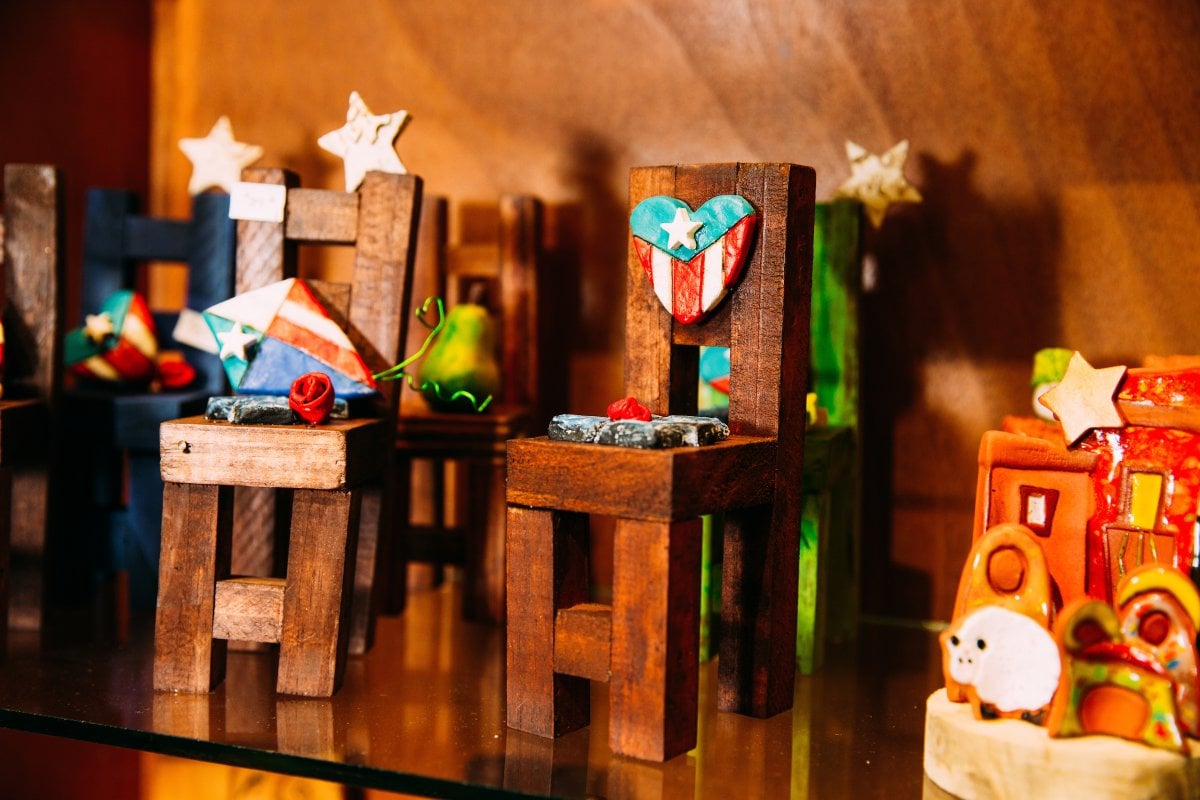
Brands of Puerto Rico seeks to tell stories through products created by Puerto Rican hands.
To export the Island'south talent and inventiveness, the family unit company Brands of Puerto Rico created a platform that serves as a phase for local artisans and pocket-sized business owners to showcase their products to audiences worldwide. Find local products like coffee, bread, homemade seasoning, handmade jewelry and accessories, books, traditional sweets, and more than.
Click here to shop local!
View Places Mentioned on a Map
Tags
Culinary & CocktailsSource: https://www.discoverpuertorico.com/article/guide-to-traditional-puerto-rican-food
0 Response to "What was found in food that was sold to Puerto Rico schools for the 2nd time in a week?"
Post a Comment